



Saudi Arabia’s air defences intercepted two Iranian drones targeting the Ras Tanura oil refinery on 2 March, according to reports carried by Al Arabiya citing official sources. The attempted strike triggered a limited fire caused by falling debris, but authorities said the situation was brought under control and there were no reported casualties.
Ras Tanura, located on the Kingdom’s eastern coast, is one of the country’s most significant refining and export hubs. The facility plays a central role in processing crude oil and supplying petroleum products domestically and internationally. Its strategic location near key export terminals makes it a critical part of global energy flows.
The attempted attack comes amid heightened regional tensions following recent military escalations involving Iran, the United States and Israel. Over the past week, several Gulf states have reported security incidents linked to the wider confrontation.
Why Ras Tanura Matters
Ras Tanura is among the largest refineries in the world, with the capacity to process hundreds of thousands of barrels per day. It is closely integrated into Saudi Arabia’s broader oil infrastructure, linking upstream production with export channels across the Gulf.
While officials have not indicated long term operational damage, precautionary measures were reportedly taken to ensure safety and continuity. In previous incidents involving energy facilities, Saudi authorities have prioritised rapid containment and infrastructure resilience to minimise disruption to domestic supply and exports.
Energy infrastructure has historically been a sensitive target during periods of geopolitical tension. The 2019 attacks on Abqaiq and Khurais demonstrated how quickly global markets react to perceived threats against Saudi oil facilities. In that case, production was restored faster than initially expected, helping stabilise prices.
Implications for the Kingdom
For Saudi Arabia, the interception reinforces the importance of air defence systems and infrastructure protection. Oil revenue remains a pillar of the national economy, even as diversification efforts under Vision 2030 continue.
Any threat to refining or export capacity carries economic as well as political weight. Beyond physical damage, even attempted strikes can influence market sentiment and insurance costs tied to shipping and infrastructure risk.
At the same time, the Kingdom has sought to avoid direct escalation, reiterating in recent official statements that it does not wish to see its territory used in broader regional conflict. The drone interception highlights the challenge of maintaining that position when tensions spill over national borders.
Regional and Market Impact
The Gulf remains one of the most critical energy corridors in the world. A significant portion of global oil supply passes through the Strait of Hormuz. Security incidents in the region therefore tend to have an immediate psychological effect on energy markets.
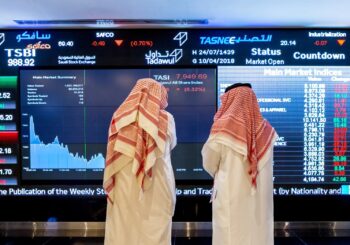
Following news of the Ras Tanura incident, oil prices moved higher as traders factored in potential supply risks. This followed earlier oil price rises of up to 10 percent. Market reactions in such moments are often driven less by confirmed damage and more by uncertainty.
Neighbouring Gulf states are closely watching developments. Regional coordination on air defence and maritime security has intensified in recent years, reflecting shared concerns over the vulnerability of critical infrastructure.
The attempted strike on Ras Tanura did not occur in isolation. It forms part of a broader cycle of military actions and responses unfolding across the region. As tensions involving Iran and its adversaries continue, infrastructure sites, particularly those tied to energy and logistics, are likely to remain focal points of risk.
For Saudi Arabia, the priority remains containment. Ensuring uninterrupted domestic supply, stabilising export commitments, and preventing further escalation will shape the Kingdom’s next steps.
For global markets, the episode is a reminder that the Middle East’s energy infrastructure sits at the intersection of geopolitics and supply security. Even when damage is limited, the implications extend far beyond the immediate site.




Comments (0)