


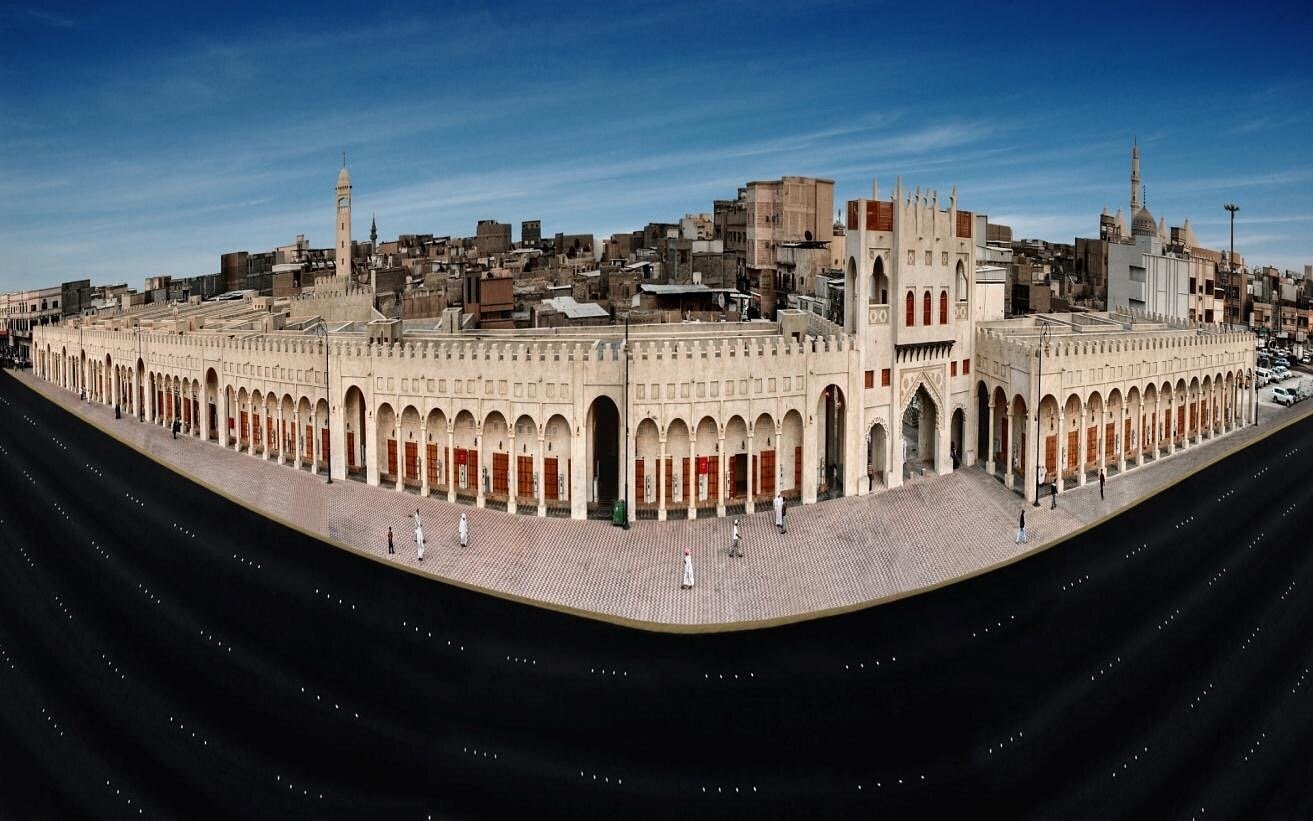
Saudi Arabia is home to a wealth of traditional souqs or markets that reflect its cultural heritage. These markets serve as gateways to history and art, allowing tourists to bring a piece of Saudi culture back to their home countries.
Here is a closer look at some of the most significant souqs worth exploring.
Souq Al Alawi — Jeddah (Al-Balad)
As one of the oldest markets in the Arabian Peninsula, Souq Al Alawi occupies a central place in the historic Al-Balad district of Jeddah (Jeddah’s old town). Dating back to 1716, it originally served as a key stop for pilgrims on their journey to Makkah.
Known for its gold, perfumes, abayas, loose full-length garment worn by women, dates, spices, and Islamic decor, the souq provides a glimpse into Hijazi cultural identity. At Souq Al Alawi, shoppers can explore a diverse array of offerings, from Arabian jewelry to traditional Saudi attire, spices, and herbs.
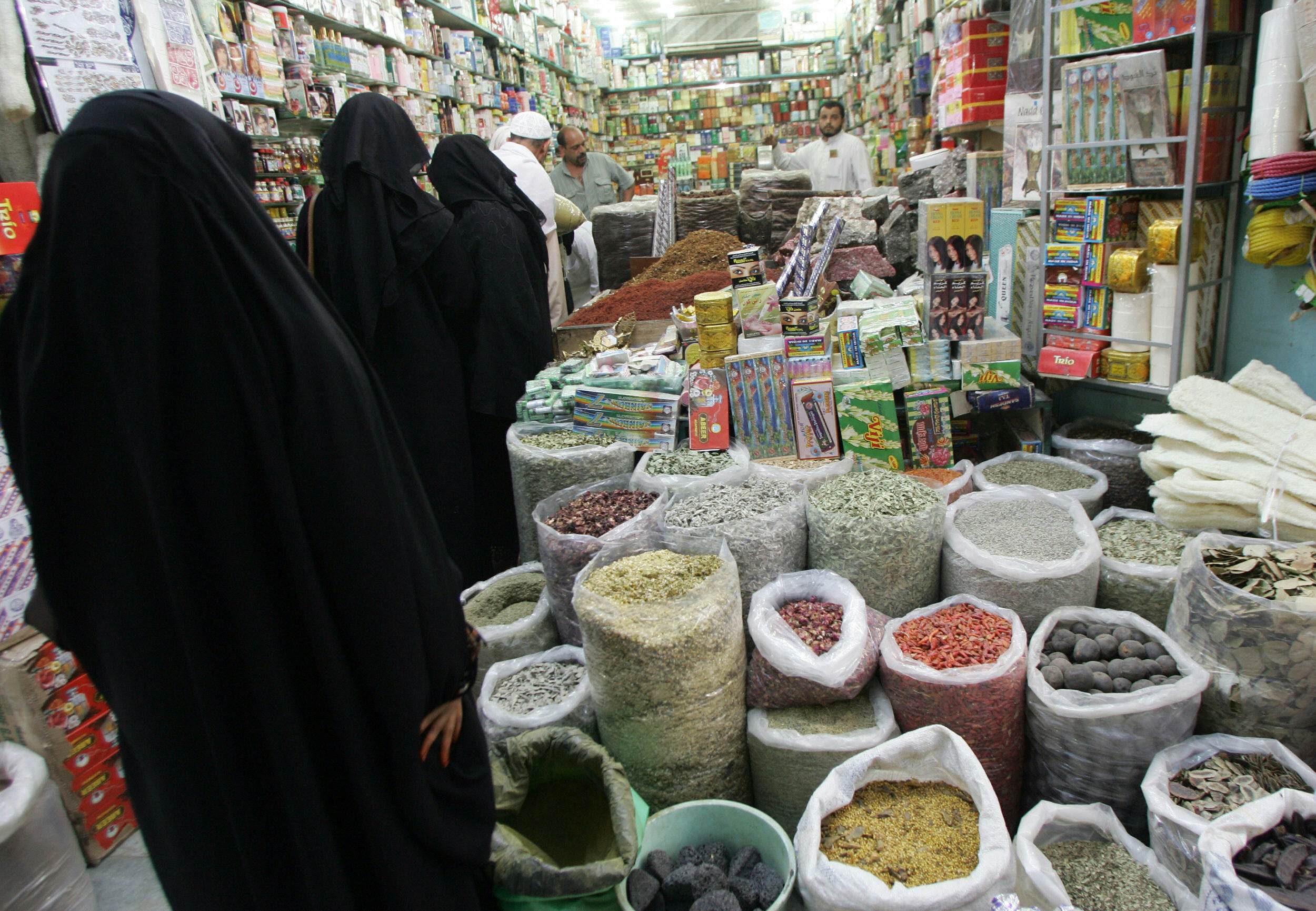
Souq Qabil — Jeddah
Also located in Al-Balad, Souq Qabil has been a well-known marketplace since the early 1900s, rich with perfumes, oud, and local crafts. Today, Souq Qabil remains a prime location for gold and currency-exchange shops, alongside traditional goods.
During the evenings of Ramadan and Eid, Souq Qabil comes alive with food stalls. Despite its modest size, the souq is an essential stop for anyone visiting Al-Balad with historical sites nearby, such as Nassif House Museum, Al Matbouli House, and Al Shafie Mosque.
Souq Al-Qaisariya — Al-Hofuf (Eastern Province)
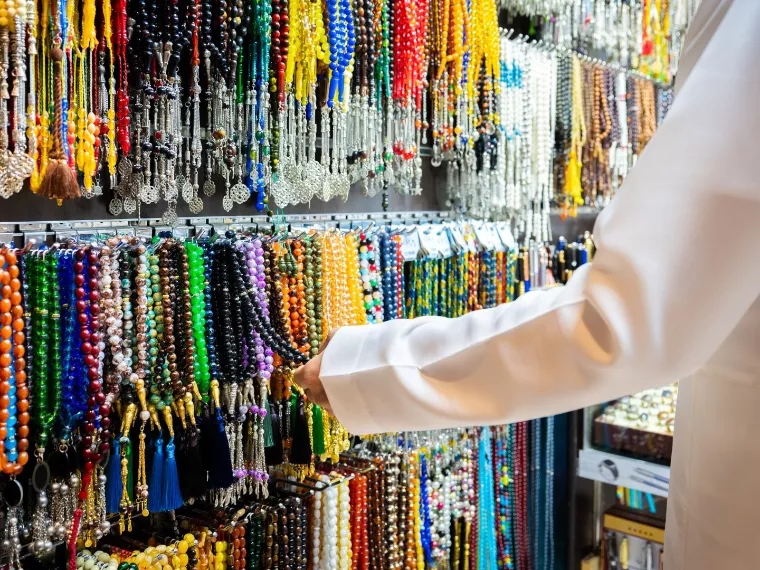
Dating back to the early 1800s, Souq Al-Qaisariya is renowned for its handwoven textiles, copperware, sandals, and spices. Its architecture provides a view that enhances the heritage shopping experience.
After undergoing restoration, Souq Al-Qaisariya offers a mix of spices, incense, and traditional handicrafts that capture the Saudi culture. As people stroll through this marketplace, they will encounter a variety of local crafts, cozy cafés, and historic sites, including the iconic Ibrahim Castle.
Dirah Souq — Riyadh
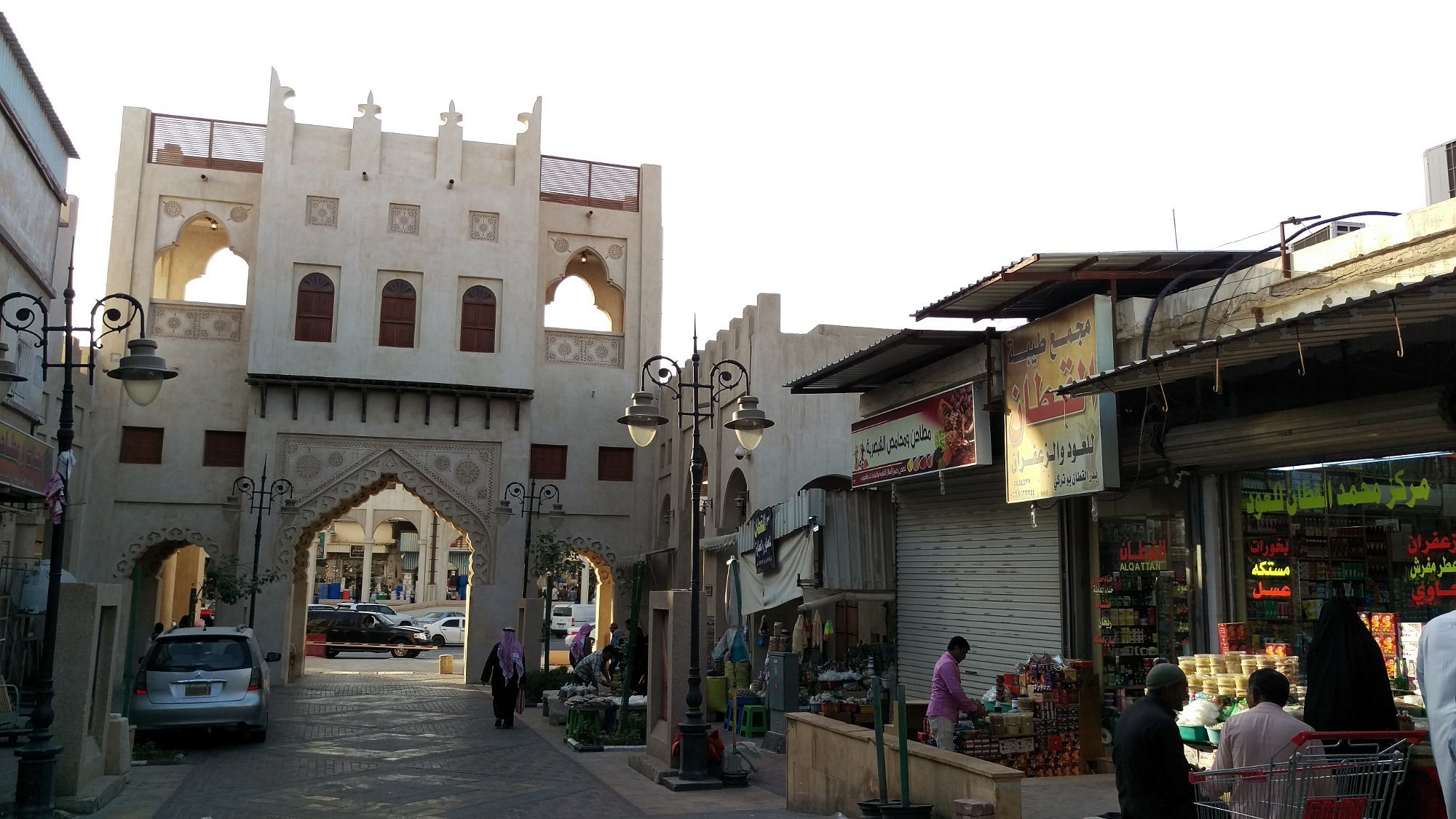
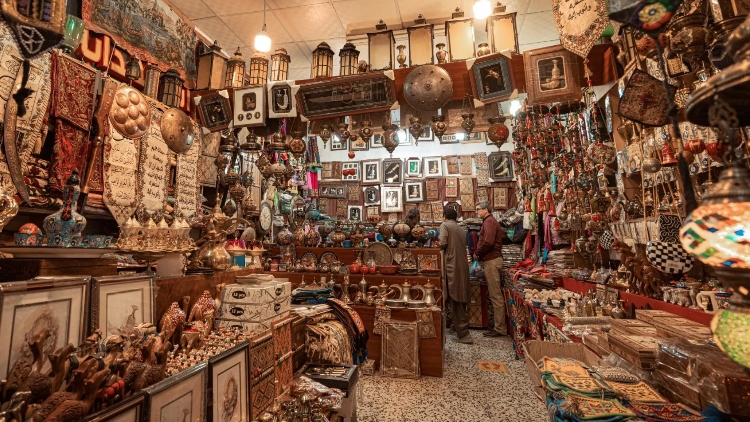
Dirah Souq (also known as Souq Al-Zal) is one of Riyadh’s oldest traditional markets, located in the Al-Dirah neighborhood about 5.4 km from Al-Murabba Historical Palace. Covering 38,000 square meters and holding more than a century of history, the market is known for its carpets, oud, antiques, rare coins, and old utensils.
Shoppers may also come across musical instruments, vintage record players, and other items that reflect the city’s older traditions and cultural materials.
Souq Al Owais — Riyadh
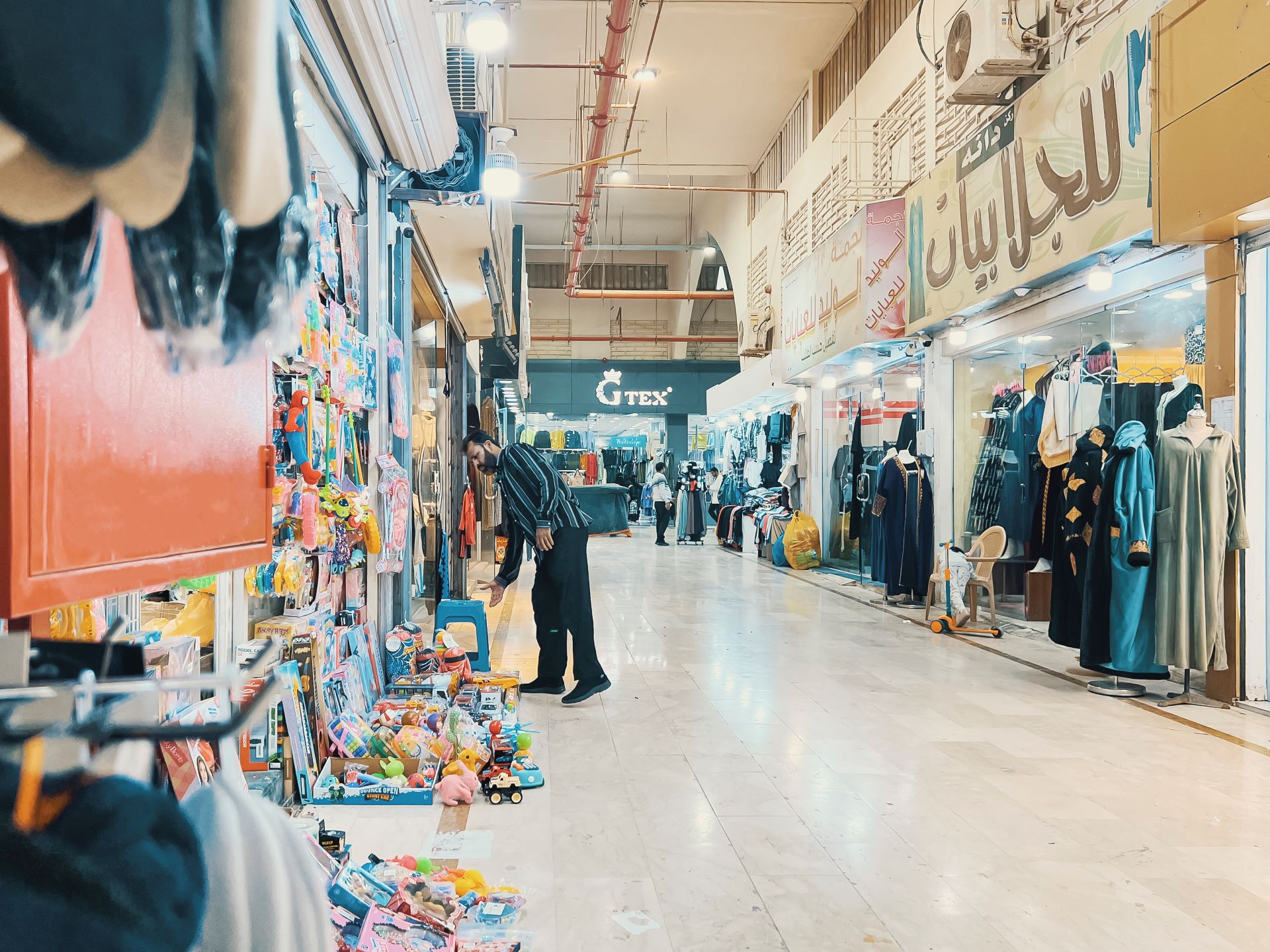
Known for its wide selection of Saudi attire, including bishts and thobes, Souq Al Owais combines everyday shopping with opportunities to explore local traditional attire. Additionally, Souq Al Owais features a variety of perfumes, textiles, and other goods that reflect regional craftsmanship.
Shoppers can find everything from abayas to gold and jewelry, with vendors offering a broad range of other products at competitive prices. Open from early morning until late at night, the market is consistently active, with stalls selling drinks and local snacks.
Traditional souqs continue to play an important role in Saudi Arabia’s cultural and social life. Beyond their function as shopping spaces, they offer opportunities to observe everyday interactions and local customs.
Haggling remains a common part of the experience, and conversations with shopkeepers often reflect the informal, community-driven nature of these markets.
Visitors should keep in mind a few practical points: some vendors may prefer cash, and modest clothing is recommended when exploring traditional areas. Finally, late afternoons and evenings are often the most comfortable times to visit due to cooler temperatures and higher activity.

Comments (0)