


There is a particular thrill in catching your first glimpse of the Great Pyramids of Giza as their massive stones catch the desert sun like an ancient memory preserved in light. Nearby, the Egyptian Grand Museum holds centuries of civilization that feel almost tangible, with golden treasures, intricately carved statues, and delicate artifacts whispering stories of lives lived thousands of years ago.
Across the Nile in Cairo, the Khan el-Khalili Bazaar hums with life, as sellers call out over the scent of spices, colorful fabrics ripple in the wind, and the clink of handcrafted jewelry punctuates the chatter. Egypt’s sprawling capital, Cairo, unfolds as a city where the ancient and the contemporary coexist in a restless, harmonious rhythm.
The Ancient City of Alexandria
Along the northern coast, Alexandria offers a contrasting experience with its breezy Mediterranean air and storied past. The city, founded by Alexander the Great, blends Hellenistic, Roman, and modern Egyptian influences in its architecture and culture. Visitors can wander the halls of the Bibliotheca Alexandrina, a stunning modern library and cultural center that pays homage to the legendary ancient Library of Alexandria. The city’s historic fortresses, such as the Qaitbay Citadel perched on the Mediterranean shore, tell stories of Egypt’s maritime legacy and strategic importance over centuries.
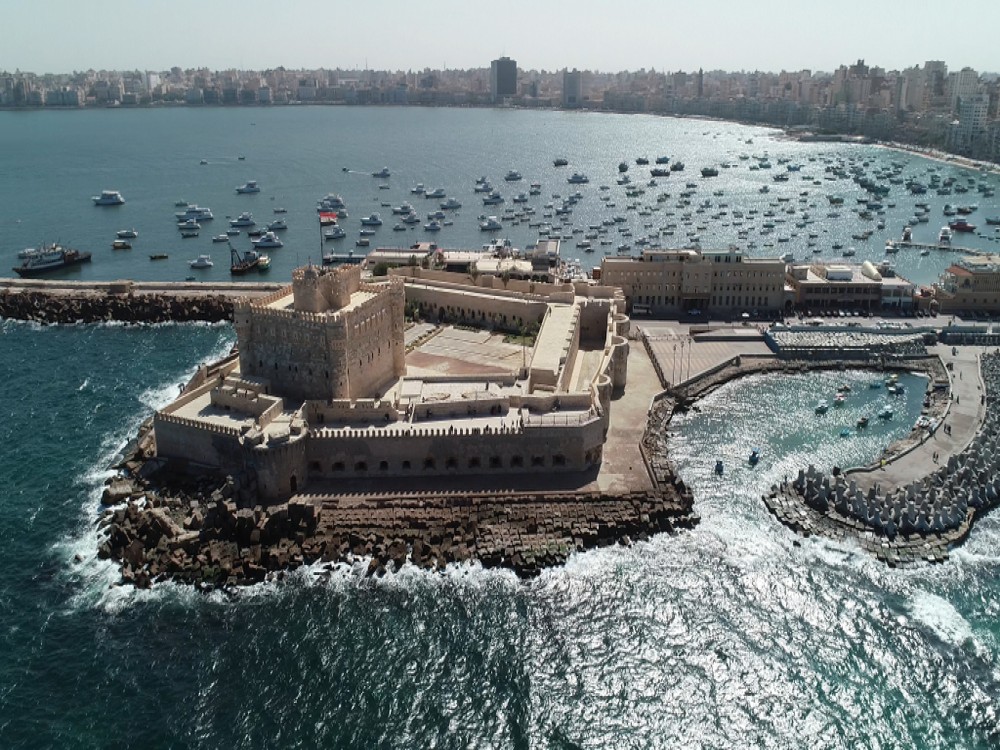
Alexandria’s waterfront offers a mix of urban life and Mediterranean calm. Visitors can walk along the Corniche, relax on sandy beaches, or sample fresh seafood and traditional Egyptian fare at local cafés. The city’s markets and coastal vistas reflect a blend of cosmopolitan energy and historical depth.
The Nile’s Timeless Wonders
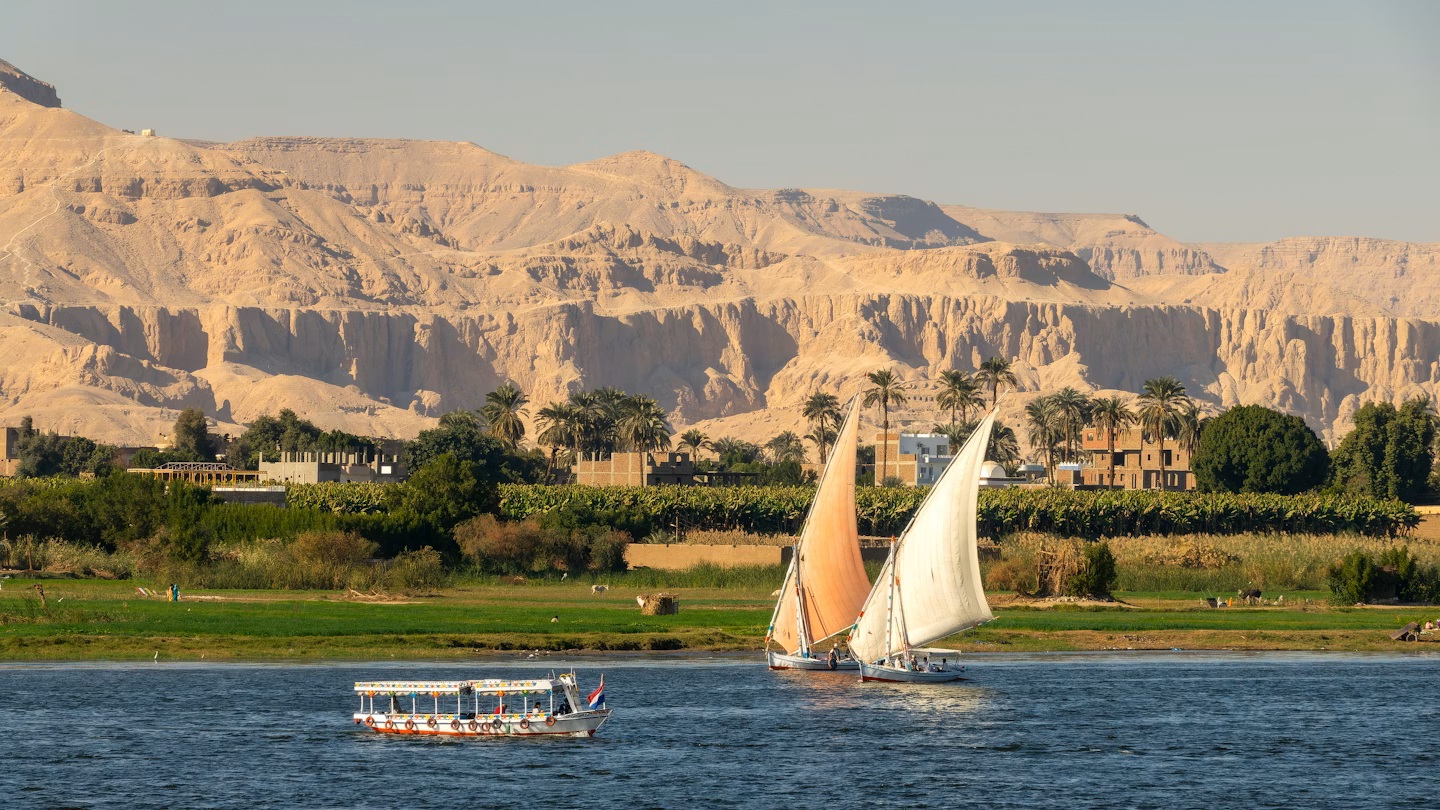
Further downstream, Luxor and Aswan charm travelers with the Nile’s tranquil expanses and its picturesque views. Luxor, often called the world’s greatest open-air museum, is dominated by the sprawling Karnak Temple Complex, a labyrinth of pylons, obelisks, and sanctuaries built over more than a thousand years. Nearby, the Valley of the Kings, where tombs of pharaohs, including the boy king Tutankhamun, lie, offer glimpses into ancient funerary rituals and the grandeur of Egyptian cosmology.
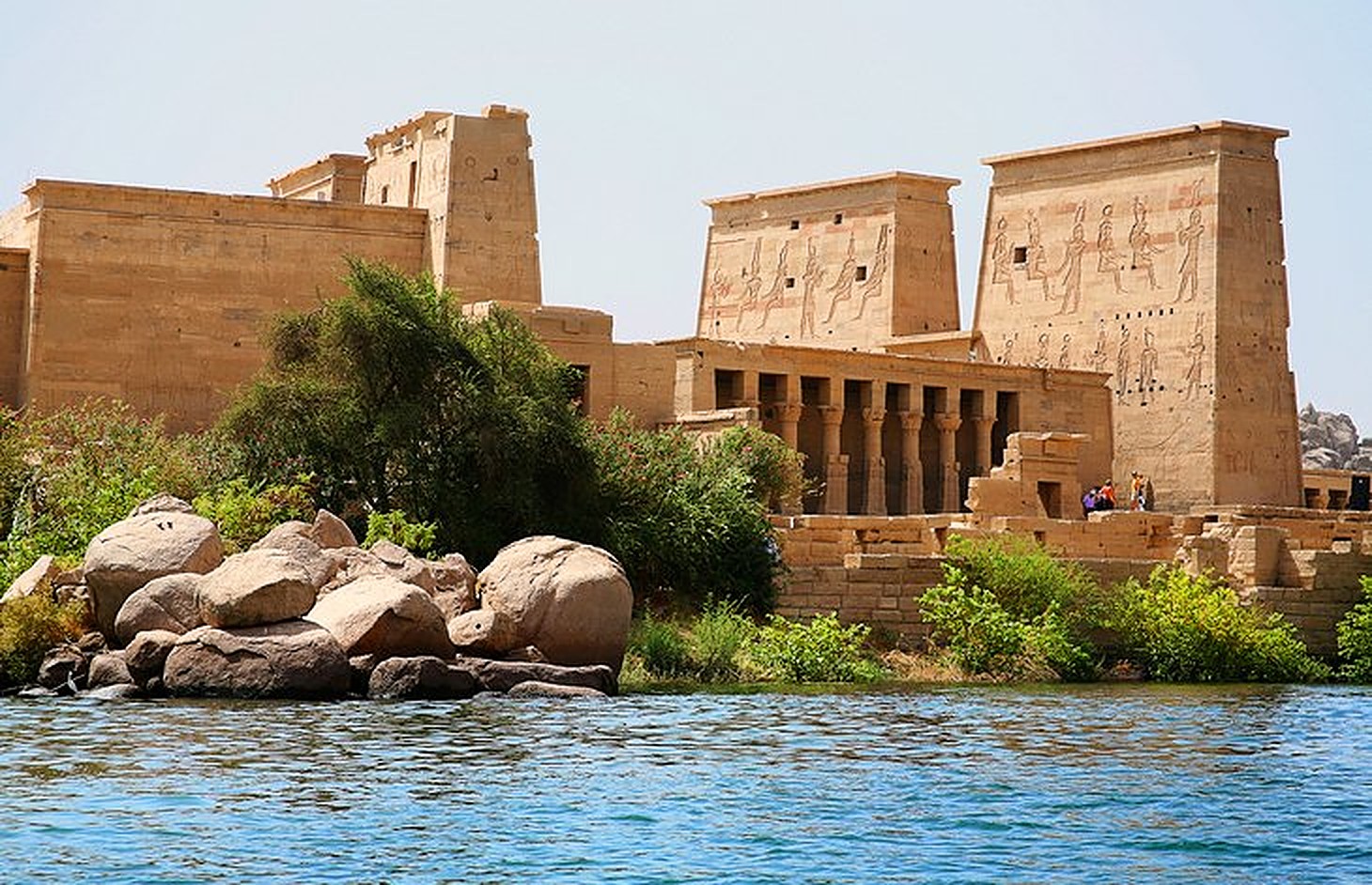
In Aswan, with its islands and gardens, and the Philae Temple, dedicated to the goddess Isis, are perched on Agilkia Island. The region also offers an intimate encounter with Nubian culture, where vibrant villages, colorful homes, and traditional crafts celebrate a heritage distinct from the Nile’s northern reaches.
Red Sea Resorts
For those drawn to sun, sand, and the deep turquoise of the Red Sea, Egypt’s eastern coastline provides a vivid contrast to the country’s centuries-old monuments. Along this coast, natural beauty, leisure, and adventure converge.
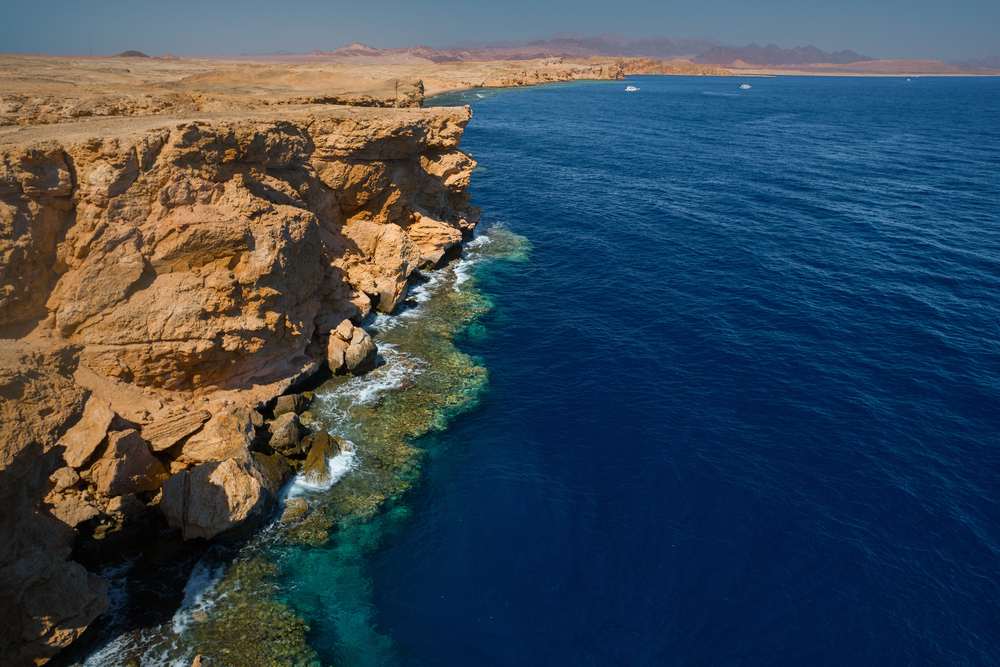
Sharm el-Sheik in the Sinai Peninsula is a playground of luxury resorts, parks, and sophisticated diving centers. Ras Mohammed National Park, on the southern tip of the Sinai Peninsula, is a marine park known for its pristine coral reefs and diverse marine life, making it a world-class scuba diving and snorkeling destination. Naama Bay is a lively area with a wide array of resorts, clubs, and bars along the shore.
While by the Red Sea, travelers can go to Hurghada, further north along the coast, to enjoy bustling marinas and easy access to snorkeling excursions over the coral-rich Giftun Islands. For travelers seeking serenity, Dahab and Marsa Alam provide quieter enclaves, where soft sands, unspoiled beaches, and world-class dive sites invite immersion in some of the world’s most pristine underwater ecosystems.
Easy Visa Process
Saudi visitors planning their trip to Egypt should apply for the Egyptian eVisa at least four to five days before travel through an official online portal, simplifying entry procedures significantly. The electronically linked visa, available for single or multiple entries, permits stays of up to 30 days and covers tourism, business, and transit. The online system eliminates the need for embassy visits and long queues, eliminating the cumbersome paperwork associated with them.
Egypt welcomes Saudi tourists with open arms for a wealth of cultural, historical, and natural attractions. The months from October to April, when temperatures are milder, are considered the best time to visit.
To cover the country’s long distances efficiently, travelers can rely on domestic flights or leisurely Nile cruises. Within cities, ride-hailing apps such as Uber and Careem provide a convenient alternative to navigating chaotic urban traffic, which is generally best avoided by visitors.
Whether one seeks the grandeur of ancient monuments or the vibrant life of coastal resorts, Egypt combines a deep historical legacy with modern accessibility.





Comments (0)