


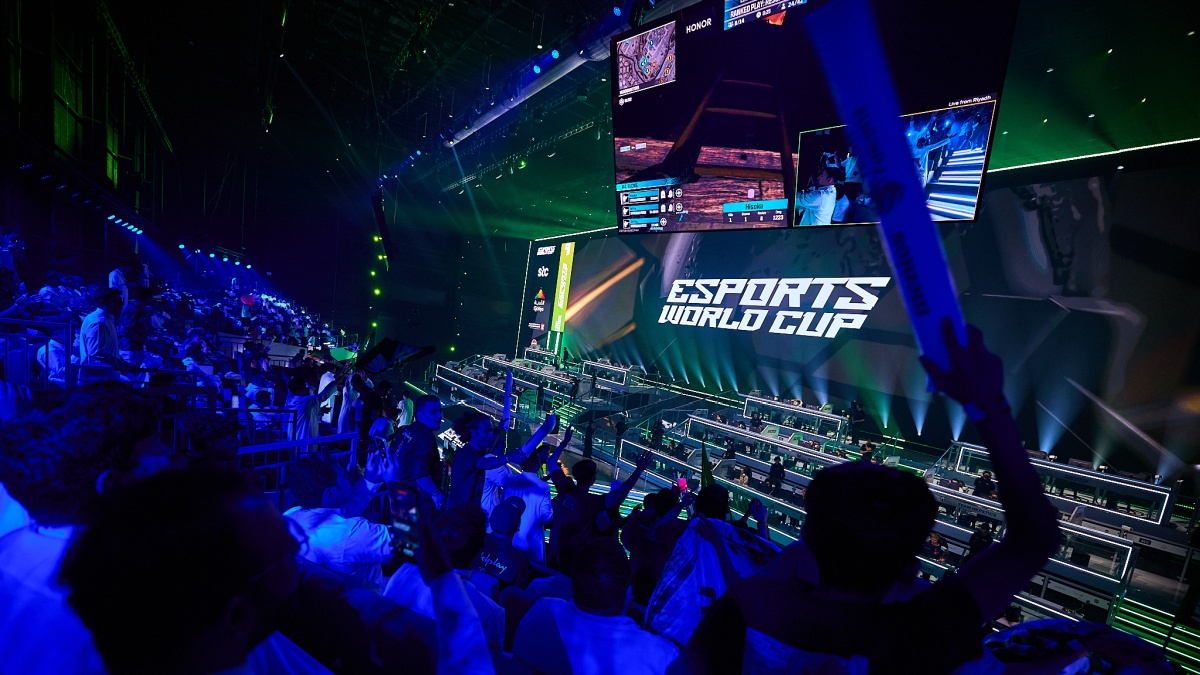
Saudi Arabia has transformed from a fast-growing market for games into a major investor, operator, and ecosystem builder in the gaming sector.
Over the past few years, the kingdom’s sovereign wealth arm, the Public Investment Fund (PIF), has assembled capital, studios, publishers, and esports infrastructure under the umbrella of Savvy Games Group (a Saudi-backed investment firm focused on building a global gaming ecosystem by acquiring major game publishers, mobile platforms, and esports infrastructure).
Saudi Arabia’s plan is simple: own big game companies, control esports events, grow local talent through major festivals, and bring global gaming revenue into its economy.
The significant SAR 206 billion (USD 55 billion) investor consortium to take Electronic Arts (EA) private serves as the clearest signal that Saudi Arabia aims to become a top-tier, long-term player in the global gaming arena, positioning itself to compete with major global publishers and investors such as Tencent, Microsoft, Sony, and Embracer Group.
Moreover, launched in 2021, Savvy Games Group was tasked with acting as a national champion for games and esports, explicitly seeking to extend the kingdom’s gaming footprint through acquisitions, investments, and commercial partnerships.
Savvy’s mandate is to build a local gaming ecosystem while pulling in global, already-scaled businesses. Its strategy has two main pillars: buying companies with large, monetizable player bases to gain distribution and intellectual property, and taking control of the esports scene by owning tournament operators and major events that attract audiences, sponsors, and talent.
The Kingdom’s strategy reveals itself through significant transactions Savvy and its portfolio have executed. In 2023, Savvy acquired Scopely, a leading mobile publisher, for approximately SAR 18 billion (USD 4.9 billion).
By owning Scopely, Savvy immediately gained traction in the mobile sector, a category known for its heavy monetization and continuous revenue generation. Subsequently, in 2025, Scopely purchased Niantic’s game business, incorporating globally recognized titles like Pokémon GO, Pikmin Bloom, and Monster Hunter Now into the Saudi-owned portfolio.
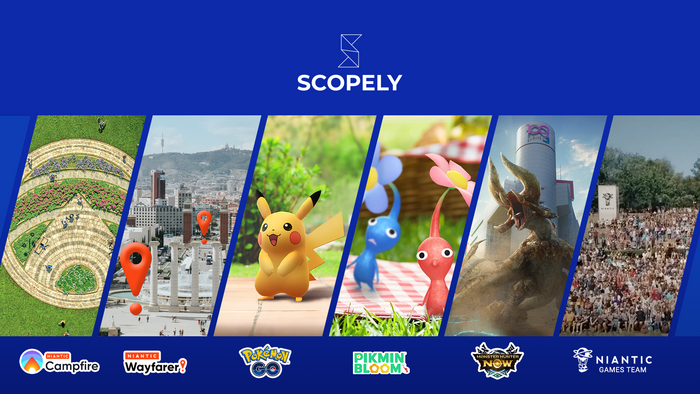
Niantic’s acquisition showcases the intent of Saudi-backed entities to secure large monthly active user bases. Additionally, Savvy’s earlier deals established control over major esports companies and platforms, including ESL FACEIT Group, which provides ownership of tournament production, competitive platforms, and broadcasting assets, vital infrastructure for events like TEKKEN 7 Nations Cup.
Moves like these reveal a clear strategy: acquiring major player communities and engagement tools. This approach goes beyond simply sponsoring indie studios or events; it involves both horizontal integration (merging with competitors) and vertical integration (owning different stages of production and distribution) by controlling both content and the channels that deliver it.
However, capital alone does not create a thriving local industry. Saudi Arabia has paired these acquisitions with high-profile events that raise public interest and skill levels. Events like Gamers8 and the Riyadh-hosted Esports World Cup. feature some of the largest prize pools and longest festival durations in the region, drawing in teams, streamers, and sponsors.

Esports festivals serve as talent pipelines, exposing local players to high-tier competition and creating roles in production, broadcasting, and game operations. Public statements from Savvy and the PIF emphasize the importance of workforce development, studio formation, and commercial partnerships which are mandatory steps to transform capital into homegrown development capabilities.
Saudi Arabia is investing heavily in gaming and esports not just for fun: it sees them as a way to diversify the economy, build global cultural influence, and boost tourism and jobs. By owning game studios, events, and infrastructure, the kingdom aims to turn gaming into a steady revenue stream and a homegrown creative industry.
However, because the investment is so massive, some worry that state-backed ownership of major gaming companies and control over gaming platforms could influence which games are developed, how content is presented, or what projects are prioritized.
The TechXplore report on the SAR 206 billion (USD 55 billion) EA takeover notes that such centralization under a single ownership group could also lead to studio closures and job losses, highlighting the potential human and creative impact.
If the EA acquisition and Savvy’s portfolio remain intact, Saudi Arabia could control a uniquely diverse slice of modern gaming which encompasses a global publisher (EA), leading mobile platforms (Scopely), and critical eSports infrastructure (ESL FACEIT).
Consequently, this gives the kingdom unprecedented reach across content creation, distribution, and competitive gaming.
Saudi Arabia’s gaming strategy is an effort to own both games and their supporting ecosystems. The SAR 206 billion (USD 55 billion) acquisition of EA is a key example, alongside assets like Scopely, Niantic titles, and ESL FACEIT Group. Such an approach involves acquiring player bases and intellectual property, controlling events and platforms, and building local capacity.
Saudi Arabia’s push into gaming marks a turning point for the industry, blending massive investment with long-term strategic vision. Its growing influence will shape the future of esports, game development, and global competition, raising both new opportunities and new questions for the gaming world.
Comments (0)