
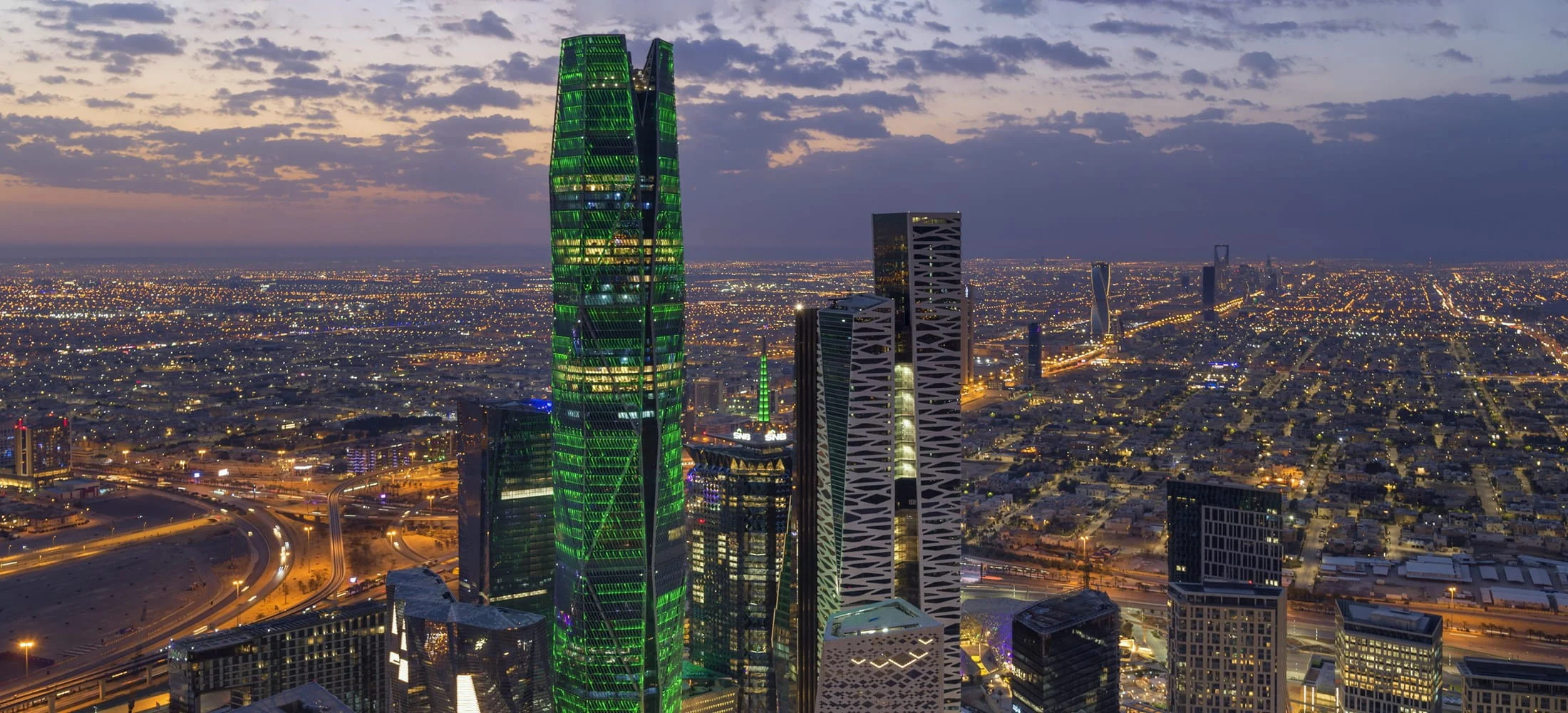
Saudi Arabia’s startup scene no longer needs an introduction. It is rewriting the rules of ambition in the Middle East. The 2026 Saudi Startup Ecosystem Handbook, published by the Ministry of Investment (MISA) and Invest Saudi, reveals a landscape transformed: 85,000 active startups, USD 3.4 billion in venture capital raised since 2023 across 1,200 deals, and a staggering 55 percent share of all Middle East and North Africa (MENA) venture capital funding for three consecutive years. Twelve unicorns now call the Kingdom home, with two more expected by December. Riyadh Techno Valley, spanning 1.67 million square metres in the capital, incubates 2,000 companies alone.
A boom is happening in the Kingdom. In co-working towers along King Fahd Road, founders no longer chase capital. They choose partners. Plus Venture Capital (Plus VC), a homegrown fund, plans 40 seed and pre-Series A investments totaling USD 10 million in 2026 – more than double its previous deployment. Flat6Labs graduated its sixth Riyadh cohort in February. LEAP 2026, the Kingdom’s flagship tech conference, drew 150 international investors. The digital economy, employing 2.2 million with 99 percent internet penetration, targets USD 53 billion (SAR 199 billion) by year-end.
Riyadh over Dubai: The new calculus
Founders increasingly pick Riyadh over Dubai, and the reasons cut through the hype. Saudi venture capital firms write bigger cheques – USD 20 million to USD 50 million at Series A – with terms that prioritise long-term scale over quick exits. STV, MENA’s largest tech-focused fund with USD 500 million under management and backing from stc Group and the Public Investment Fund (PIF), leads the pack. Wa’ed Ventures, Saudi Aramco’s venture arm, targets energy technology. Shorooq Partners funnels flows from the United Arab Emirates (UAE). Raed Ventures and Sanabil Investments routinely close oversubscribed rounds.
Regulation accelerates the shift. The Saudi Central Bank (SAMA)’s open banking framework lets fintech companies like Tamara process USD 1 billion annually across 10,000 merchants without years of licensing delays. The Capital Market Authority (CMA) fast-tracks Special Purpose Acquisition Companies (SPACs) and equity crowdfunding. Zero percent value-added tax (VAT) on software-as-a-service (SaaS) exports and zero percent corporate tax for technology firms keep cash in founder hands. Premium Residency visas draw global specialists. Dubai’s free zones, by contrast, feel transactional – a place to register, not to build.
Talent tells the real story. Saudi Arabia graduates 100,000 science, technology, engineering and mathematics (STEM) students annually. King Abdullah University of Science and Technology (KAUST) trains artificial intelligence (AI) specialists. Princess Nourah bint Abdulrahman University produces women in technology. Bootcamps like Re:Coded and Nucamp place 80 percent of graduates in startups within six months. Seventy percent of Riyadh founders are Saudi nationals, up from 40 percent five years ago. Saudization quotas – 65 percent in fintech, 40 percent in logistics – force hiring without stifling growth.
Unicorns scale, the next wave surges
Tamara, the Kingdom’s first fintech unicorn, hit USD 1 billion valuation with a USD 340 million Series C round. Its buy-now-pay-later platform serves 10,000 merchants. Foodics equips 50,000 restaurants across MENA with point-of-sale (POS) systems and financial tools. Lean Technologies powers banking-as-a-service for neo-banks. Their partnership embeds real-time capital access directly into restaurant operations.
The second tier moves fast. TruKKer raised USD 48 million for truck-matching in e-commerce logistics. Mozn’s AI handles regulatory compliance for banks and telecommunications firms. Ureed, led by women entrepreneurs, manages virtual assistants at USD 10 million annual recurring revenue (ARR). Savvy Games Group’s USD 4.1 billion acquisition of an Electronic Arts (EA) studio feeds local developers. PUBG Mobile tournaments pack 100,000 spectators into Riyadh arenas.
Logistics software-as-a-service (SaaS) grew 300 percent amid Red Sea shipping disruptions. Business-to-business (B2B) fintech firms close funding rounds citing resilient unit economics despite regional volatility. Three-year startup survival rates now stand at 74 percent, up from 60 percent five years ago. Monsha’at, the General Authority for Small and Medium Enterprises, counts venture capital volume at SAR 12.8 billion (USD 3.4 billion).
Ecosystem machinery hums beneath
Government machinery amplifies private momentum. The Startup Charter supports 5,000 companies and aims to create 500,000 jobs while mobilising USD 5 billion more capital through co-investments. MISA, the Ministry of Communications and Information Technology (MCIT), the Saudi Data and Artificial Intelligence Authority (SDAIA), stc Group, Saudi Aramco and KAUST do not just fund. They build pipelines. Regulatory sandboxes test fintech and deep technology. Scale-up programmes prepare companies for international expansion. Riyadh now hosts 700 global corporations; 81 percent deploy AI in operations.
Family offices co-invest in 70 percent of deals alongside PIF, the Saudi Venture Capital Company (SVC) and corporate venture arms. Foreign heavyweights – Tiger Global, SoftBank, 500 Global – station permanent Riyadh teams. NIAS, the National Industrial Development and Logistics Program, networks later-stage ventures in frontier technology, entertainment, energy, arts and education.
Vision 2030 laid the regulatory tracks, tax incentives and sovereign backing. The USD 500 million Startup Fund seeded the earliest bets. Full foreign ownership across most sectors unlocked founder confidence. What began as a desert side bet now runs the board.
Dubai trades shares and registers shells. Riyadh builds operating companies that survive recessions and scale across MENA. Saudi Arabia’s startup ecosystem graduates more talent than it loses, closes bigger rounds than its rivals, and delivers returns that keep capital circling. The numbers – 85,000 startups, USD 3.4 billion deployed, 55 percent MENA market share – tell one story. The founders tell another: this is just the start.

Comments (0)