


Saudi Arabia announced early Wednesday, 29 July, that its defense forces, in a joint operation with U.S. forces, struck Iran-backed targets in Iraq. The Saudi defense ministry said it was “not seeking escalation,” while reiterating that the Kingdom would respond to aggression, framing the operations as part of efforts to protect national security and Saudi assets.
The announcement followed earlier alerts from Riyadh that its forces had intercepted and destroyed multiple drones targeting petroleum facilities in Saudi Arabia’s Eastern Province.
Saudi defense officials said the attacks were launched from Iraqi territory and carried out by Iran-backed “terrorist” militias, adding that the Kingdom reserved its right to defend itself and to respond at the appropriate time and place.
Saudi Arabia’s foreign affairs ministry also criticized what it described as an escalatory and aggressive approach adopted by Iran-affiliated militias in Iraq.
In a statement, it said the attacks came while the Kingdom was working to help end escalation in the region in a way that preserves security and stability.
U.S. military officials said the strikes targeted “Iran-aligned terrorists” whom the Islamic Revolutionary Guard Corps (IRGC) directed to attack U.S. forces and Saudi energy infrastructure.
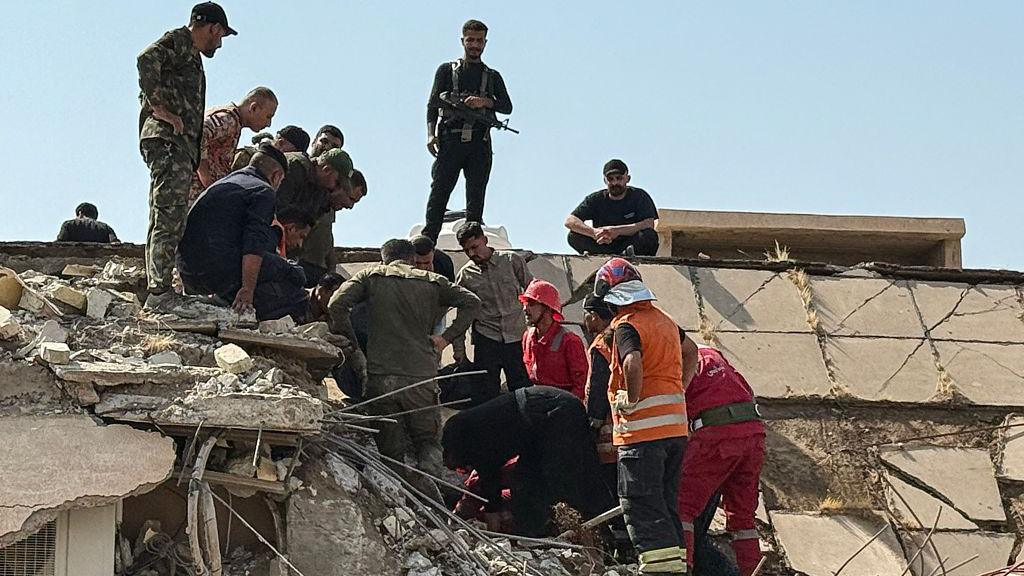
In Iraq, the Popular Mobilisation Forces (PMF), which is an umbrella grouping dominated by Iran-backed Shia militias, said at least 20 of its members were killed and that dozens more were wounded in U.S -Saudi strikes carried out on its bases.
The developments came shortly after United States Central Command (Centcom) said Iran launched missiles in an attempted surprise attack against U.S. forces, with all missiles intercepted.
In response, the U.S. described its own airstrikes and said U.S. and Saudi fighter jets struck multiple terrorist logistics and weapons sites across eastern Iraq as a strong response to more than 30 IRGC-directed drone attacks in the preceding 72 hours.
Meanwhile, oil markets reportedly rose early on Wednesday amid concerns that further escalation could disrupt energy shipments through the strategic Strait of Hormuz, a focal point of tensions in broader regional discussions.




Comments (0)