


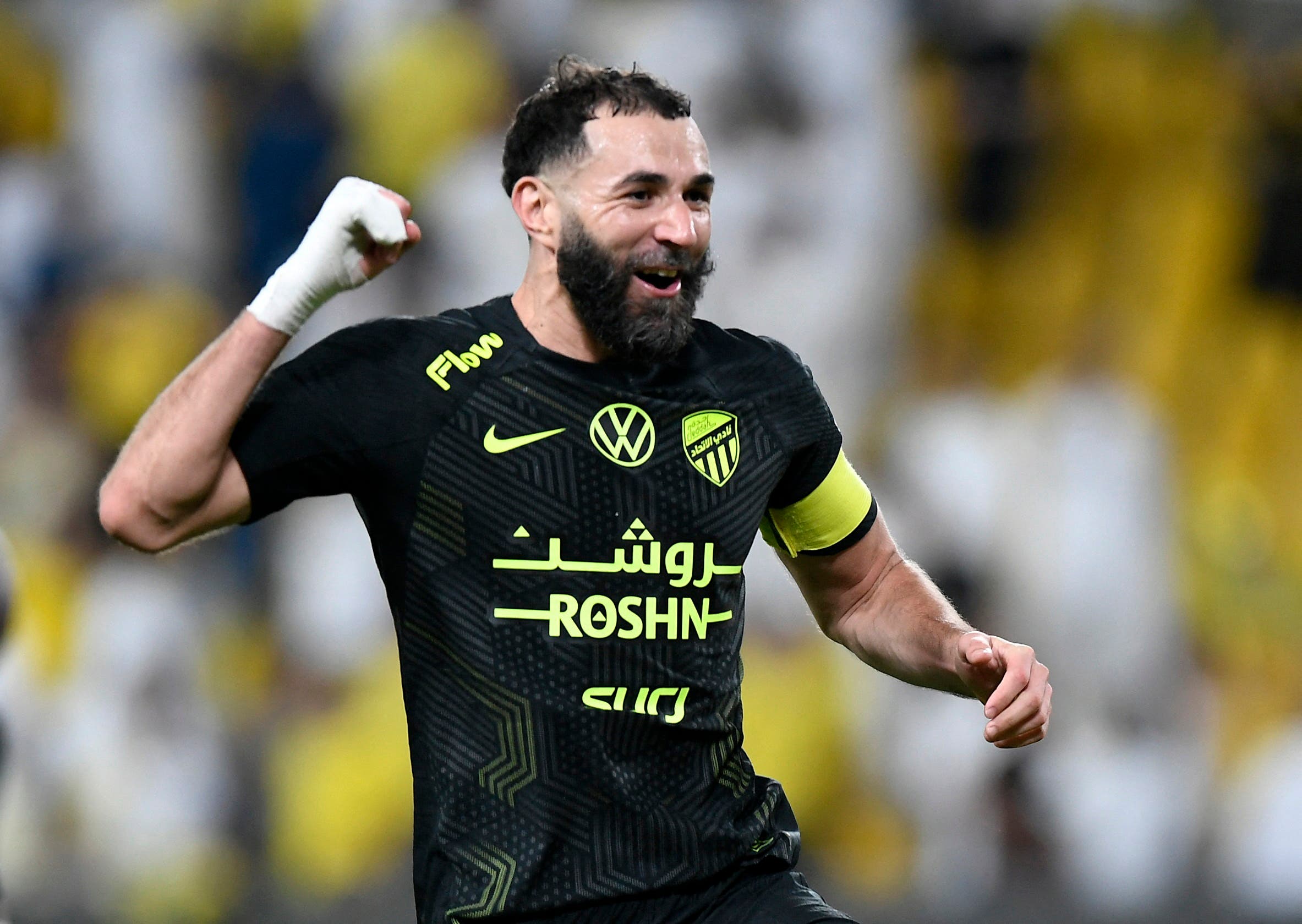
Football in Saudi Arabia transcends mere sport, functioning as a cultural language and unifying social force, while also serving as a strategic economic and diplomatic tool that supports broader national goals.
Under Vision 2030, football sits at the intersection of society, entertainment, and tourism, helping reshape how the Kingdom is perceived domestically and abroad through expanded sports infrastructure, international events, and global talent engagement.
Football as a Social and Cultural Pillar
According to analysis by the Gulf Research Center, football has long been one of the most followed and celebrated sports in Saudi Arabia, shaping national identities and generating intense local support for home teams.
Domestic clubs like Al Hilal, Al Nassr, and Al Ittihad enjoy passionate followings, with match days becoming significant social gatherings that bring together youth, families, and communities from diverse backgrounds.
Under Saudi Vision 2030, football is positioned as a source of national pride and also as a driver of economic diversification, social engagement, and global visibility. Key objectives set by the government include professionalizing domestic leagues, expanding sports participation, and developing sports-related tourism.
Transformations within the Saudi Pro League reflect this strategic vision, including governance reforms, foreign investment, improved broadcasting rights, and initiatives for club privatization, all aimed at enhancing competitiveness.
Global Stars and the Saudi Pro League Effect
These improvements have set the stage for attracting top talent, ensuring that the league’s reforms lead to greater international visibility and appeal.
Coverage from The Times of India explains that high‑profile signings, including Cristiano Ronaldo, Neymar Jr., Karim Benzema, and N’Golo Kanté, have boosted global attention on the Saudi Pro League, driving international media coverage, expanded broadcast reach, with matches shown in more than 170 countries, higher attendance figures, and increased sponsorship interest.
These high-profile signings have elevated the Saudi Pro League’s status and function as soft-power instruments, placing Saudi cities and culture at the forefront of global football discussions (a trend noted by FIFA President Gianni Infantino, who highlighted the league’s growing international visibility, and by analysts observing the strategic impact of elite talent acquisitions on global perceptions of Saudi football).
Sports Tourism
Beyond the stadiums, football and other major sporting events have become key drivers of sports tourism in Saudi Arabia, attracting millions of visitors and showcasing the Kingdom as a global destination for fans, culture, and entertainment.
Saudi Arabia has attracted around 2.5 million sports tourists over the past four years, hosting major international sporting events as part of its broader tourism and Vision 2030 strategy, with collaboration between the Ministry of Tourism and the Ministry of Sport turning events into platforms for economic growth, cultural exchange and international exposure.
Moreover, Saudi Arabia’s successful bid to host the 2034 FIFA World Cup further cements football’s position as a long‑term catalyst for tourism and economic development, with analysts projecting substantial investments in stadiums, transport, hotels, and related infrastructure, alongside a significant boost to global exposure for Saudi cities and cultural destinations
Investment in football has accelerated the development of modern stadiums, training facilities, and mixed‑use entertainment zones that serve as year‑round community hubs. Saudi Arabia is building and upgrading 15 state‑of‑the‑art World Cup‑ready venues across multiple cities, designed to meet international standards and integrate with broader urban infrastructure, while upgrades to transport, hospitality and related attractions support tourism and economic activity in line with Vision 2030.
Alongside the recruitment of international stars, Vision 2030 emphasizes grassroots development.
Expansion of football academies, school leagues, and youth training programs aims to cultivate domestic talent and improve national team performance. Exposure to elite foreign players and coaching is intended to enhance local standards, ensuring sustainability in talent development rather than reliance on imports.
Despite the rapid growth of football in Saudi Arabia, the sector faces scrutiny. Critics express concerns that excessive spending on foreign players may overshadow local talent and inflate wages to unsustainable levels.
There are also questions regarding the long-term sustainability of the league and whether international appeal will persist once star players retire.
Football’s evolution in Saudi Arabia encapsulates more than sporting ambition; it reflects the Kingdom’s broader transformation. As a cultural constant, economic tool, and global platform, football serves to connect Saudi society with the world while reinforcing national identity.


Comments (0)