
When most people think of Saudi exports, they think of oil. That association is understandable and still largely accurate: hydrocarbons dominate the Kingdom’s trade balance by an enormous margin. But quietly, and with increasing momentum, a different export story has been building.
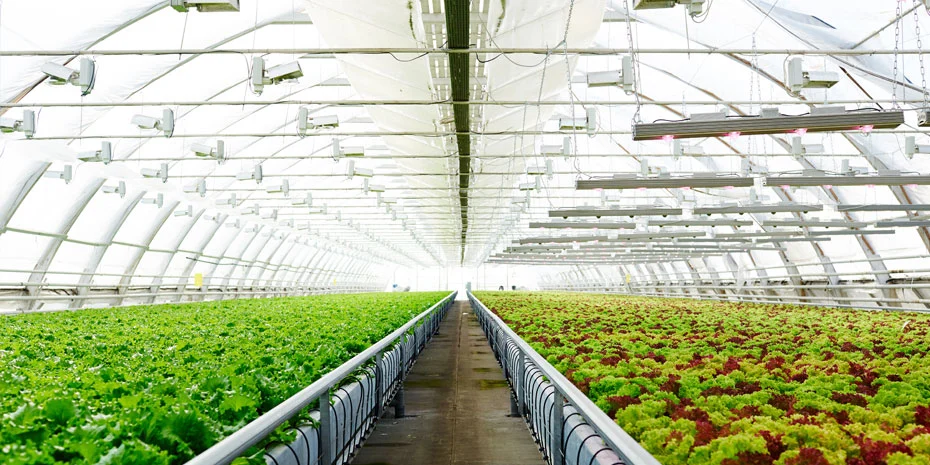
Saudi Arabia’s food exports have risen by roughly 60 percent since 2021, reaching approximately SR22 billion last year. The growth is not accidental. It reflects a deliberate industrial strategy, a set of competitive advantages that are easy to underestimate, and a handful of Saudi companies that have spent decades building the infrastructure to compete globally.
The Numbers in Context
The Saudi food manufacturing sector is now valued at around SR200 billion and ranks among the Kingdom’s largest industrial employers. The number of food factories has approached 1,900, with new companies entering the market regularly as investment accelerates under the National Industrial Strategy. The food and beverage market as a whole was valued at approximately $36 billion in 2025 and is projected to reach $50 billion by 2031, growing at a compound annual rate of around 5.6 percent.
These are not the numbers of a sector in early development. They are the numbers of a sector that has reached meaningful scale and is now beginning to export that scale outward.
The 60 percent export growth since 2021 needs one important caveat: Saudi Arabia remains a substantial net food importer. The country’s geography, climate, and water constraints mean that it cannot be self-sufficient across the full range of food categories it consumes. Wheat, rice, and much of its red meat come from abroad. The export story is therefore not about Saudi Arabia becoming a global food basket. It is about specific categories where the Kingdom has developed genuine competitive advantages and is now leveraging them internationally.
Where Saudi Arabia Actually Competes
Dairy is the clearest example. Saudi Arabia has achieved 129 percent self-sufficiency in dairy products, producing more than it consumes domestically and exporting the surplus across the region and beyond. Exports of milk and dairy products reached approximately SR3.9 billion during the first nine months of 2025 alone, following SR4.8 billion in exports across all of 2024. The Zakat, Tax and Customs Authority reported that the volume of Saudi dairy and infant formula exports in the first half of 2025 reached 296.5 million kilograms.
The engine behind this is Almarai, a company whose scale is genuinely remarkable. Founded in 1977, Almarai has become the world’s largest vertically integrated dairy company, managing everything from fodder farms to processing facilities to a distribution fleet of more than 10,000 refrigerated trucks that supply over 50,000 retail outlets across the Middle East. The company’s production and distribution footprint covers the GCC, Egypt, and Jordan, and it has made international acquisitions including investments in European dairy companies. In 2024, Almarai invested approximately $4.8 billion in seafood and red meat production within Saudi Arabia, a signal that its ambitions extend well beyond its dairy origins.
Dates represent a different kind of competitive advantage: one rooted not in industrial scale but in natural endowment and centuries of cultivation expertise. Saudi Arabia is one of the world’s two largest date producers, alongside Egypt, and holds a commanding position in global date exports. Vision 2030 explicitly targets preserving Saudi Arabia’s global leadership in date production and exports as part of its food sector strategy. The Kingdom’s date varieties, particularly Medjool and Ajwa, command premium prices internationally and have developed a presence in health food markets in Europe, North America, and East Asia where dates are increasingly valued as a natural sweetener and energy food.
Edible oils represent a third pillar. Savola Group, through its Afia brand, commands roughly 45 percent of Saudi Arabia’s edible oil market and exports to more than 30 countries including Egypt and Turkey. The group’s portfolio extends into sugar, pasta, and frozen foods through its various subsidiaries, giving it one of the broadest food export footprints of any Saudi company.
The Infrastructure Being Built Around Them
Individual company performance alone does not explain 60 percent export growth in four years. The infrastructure being built around Saudi food manufacturers matters as much as the companies themselves.
The Jeddah Food Cluster, launched in 2024 and described as the largest food industrial cluster in the region, is designed to integrate logistics, training, laboratory services, and storage facilities to support manufacturers. The cluster aims to contribute SR8 billion annually to national exports over the next decade. Located in a city with four existing industrial zones already hosting thousands of factories, the cluster is designed to reduce the friction costs that have historically limited smaller manufacturers from scaling their export operations.
Saudi Arabia’s agricultural GDP reached approximately SR114 billion in 2024, setting a record and surpassing interim Vision 2030 targets. The government has funnelled significant investment into processing plants, with one estimate putting government support for the food processing sector at $70 billion. The Saudi Food and Drug Authority has meanwhile been working to align Saudi food safety standards with international certification requirements, a precondition for accessing premium export markets that require rigorous documentation.
Saudi Arabia’s location also matters in ways that are not immediately obvious. Sitting at the intersection of three continents, with established shipping lanes to Africa, Asia, and Europe, and a logistics infrastructure that has been substantially upgraded over the past decade, the Kingdom is well positioned as a food manufacturing and distribution hub for a combined market of several billion people. The halal certification that Saudi food products carry by default opens doors in Muslim-majority markets from Indonesia to Morocco that require it as a minimum threshold.
The Self-Sufficiency Paradox
One of the more counterintuitive aspects of the Saudi food export story is how self-sufficiency in certain categories has created the conditions for export competitiveness. Local dairy production covers 109 percent of domestic demand, while egg production meets 116 percent, meaning both sectors produce a structural surplus that must find markets abroad. Poultry self-sufficiency has increased to 60 percent, up from 40 percent in 2016, and continues to grow as investment in the sector accelerates. Each percentage point of additional self-sufficiency in a category where Saudi production is price-competitive represents potential export volume.
The paradox is that a country which still imports enormous quantities of food is simultaneously developing export surpluses in specific categories. That reflects the deliberately targeted nature of Saudi Arabia’s food security and industrial strategy: rather than trying to grow everything domestically, it has concentrated investment in the categories where it can achieve both self-sufficiency and export competitiveness, while accepting continued import dependence in categories where the economics do not support domestic production.
What the Next Phase Looks Like
The 60 percent growth in food exports since 2021 has been achieved largely on the back of existing sectors: dairy, dates, edible oils, and processed foods for regional markets. The next phase of growth is being targeted at more diversified export markets and higher-value product categories.
A protocol signed between Saudi Arabia and China approved the export of 13 dairy products including infant formula, opening access to the world’s largest consumer market for a product category where Saudi manufacturers have demonstrated quality at scale. China’s demand for infant formula has been a significant driver of premium dairy exports globally since the food safety scandals that affected domestic Chinese production over a decade ago, and Saudi Arabia’s entry into that market represents a meaningful step up in export ambition.
Saudi Arabia also ranked among the top five countries globally for the absence of harmful trans fats in food products, a quality credential that matters increasingly in export markets where consumers and regulators are paying closer attention to food safety standards. As Saudi food brands seek to move from regional to global distribution, that kind of internationally recognised quality benchmark will matter as much as price competitiveness.
The broader Vision 2030 food export target is to raise the overall value of food exports significantly beyond current levels, with the Jeddah Food Cluster alone projected to add SR8 billion annually to export revenues. Whether that target is met on schedule will depend on factors including global commodity prices, logistics costs, and the pace at which Saudi brands build recognition in markets where they are currently unknown. What the last four years have demonstrated is that the structural foundations for achieving it are real, and more advanced than most outside observers have recognised.
A country that imports most of its wheat and much of its protein while simultaneously exporting dairy at scale, dominating global date markets, and building the region’s largest food industrial cluster is not a conventional food trade story. It is a story about what deliberate industrial strategy can achieve when it identifies the right categories, backs them with the right infrastructure, and builds at Saudi scale.

Comments (0)